

Summer Foot Care Tips: How to Protect Your Feet in Heat

June 18, 2026

To maintain optimal foot health during the summer, you should wear supportive, breathable footwear, apply broad-spectrum sunscreen to the tops of your feet, stay hydrated to reduce swelling, and keep your feet dry to prevent fungal growth. These essential summer foot care tips ensure comfort and prevent common seasonal injuries.

How does hot weather affect your foot health?

Summer in Washington brings beautiful sunshine and a significant rise in temperatures, especially in areas like Yakima and Ellensburg. While we all love the warmth, heat can have several physiological effects on your feet. When the temperature rises, your blood vessels dilate to help cool the body down, which often leads to fluid retention and swelling, also known as edema. This swelling can make your shoes feel tighter, increasing the risk of friction-induced blisters and localized Foot & Ankle Pain .

Furthermore, heat leads to increased perspiration. Your feet have thousands of sweat glands, and in the summer, they work overtime. This moisture creates a prime environment for bacteria and fungi to thrive. If you are walking around in damp socks or non-breathable shoes all day, you are significantly increasing your risk of developing athlete’s foot or fungal nail infections. Beyond the moisture, the heat of the ground itself is a factor. Pavement, sand, and pool decks can reach scorching temperatures that cause thermal burns on the soles of your feet before you even realize it.

At our practice, we see a spike in summer-related conditions during these months. From increased pressure on Bunions due to swelling to the exacerbation of Heel Pain from unsupportive seasonal footwear, the heat is more than just a temperature reading; it is a variable that changes how you should approach your daily foot care routine. Understanding these risks is the first step toward a pain-free season of outdoor fun.

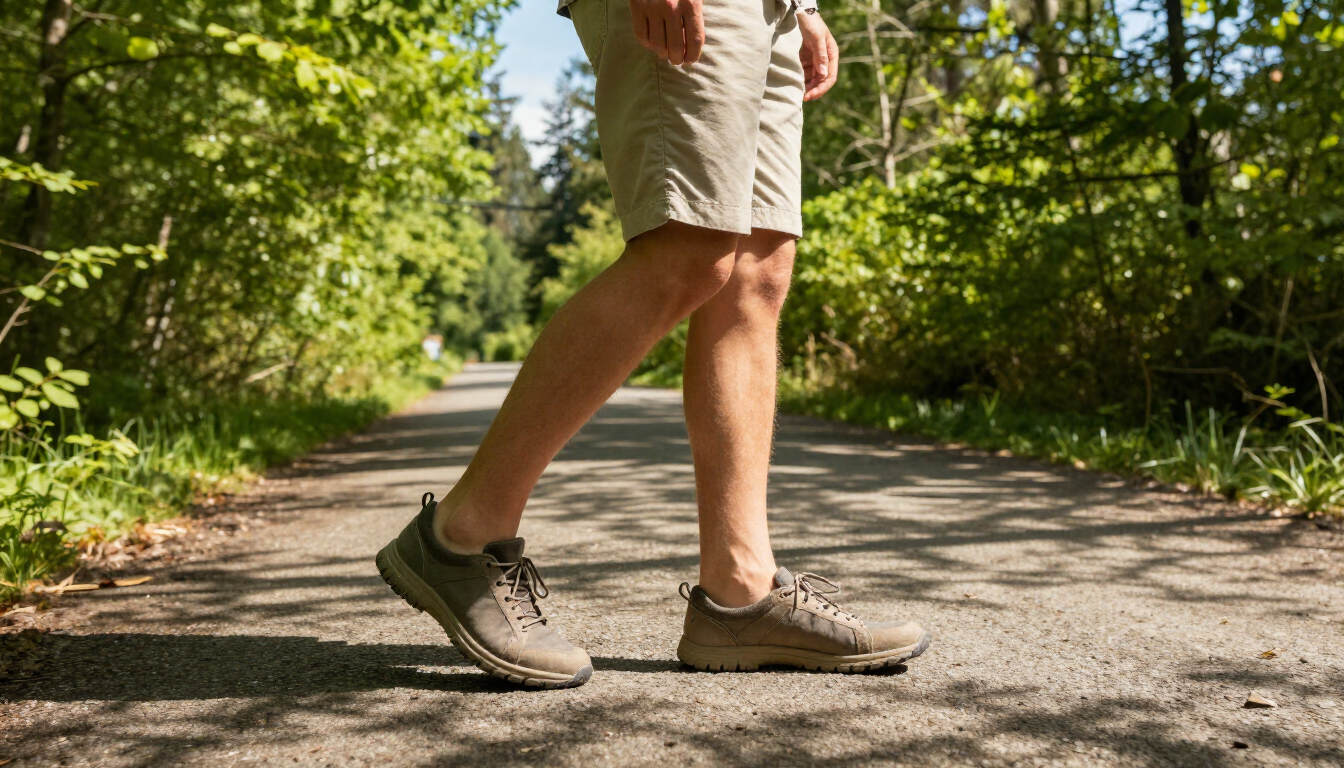
photorealistic person walking on a sunny path in Washington wearing supportive summer shoes natural lighting vibrant green trees

Essential summer foot care tips for daily protection

Staying proactive is the best way to enjoy your summer activities without a trip to the clinic. Implementing a few simple habits can make a world of difference in how your feet feel at the end of a long day in the sun. Here are the most effective ways to protect your feet this season:

  • Apply Sunscreen to Your Feet: Many people remember their face and shoulders but forget that the tops of their feet are highly susceptible to sunburn. Skin cancer can also develop on the feet, so use a broad-spectrum SPF 30 or higher.
  • Hydrate Constantly: Drinking plenty of water helps regulate your body temperature and can minimize the swelling in your ankles and feet caused by the heat.
  • Choose Breathable Materials: Opt for shoes made of leather, mesh, or canvas that allow air to circulate. This helps keep sweat from pooling and reduces the risk of infections.
  • Wash and Dry Thoroughly: After a day at the pool or beach, wash your feet with soap and water, paying special attention to the spaces between your toes. Ensure they are completely dry before putting on socks or shoes.
  • Rotate Your Shoes: Don’t wear the same pair of sneakers two days in a row. Giving your shoes 24 hours to air out helps kill off bacteria and fungi that might be lingering in the material.

Why is footwear choice so important in the summer?

It is incredibly tempting to live in flip-flops from June through August, but your feet might pay the price. Standard flip-flops offer almost no arch support, no heel cushioning, and no lateral stability. This lack of support can lead to a variety of issues, including Achilles Tendonitis and severe Heel Pain . When you walk in flat sandals, your toes often have to "grip" the sole to keep the shoe on, which can worsen conditions like Hammertoes .

If you have a history of foot issues, you should consider sandals with built-in arch support or use custom Orthotics in your walking shoes. While it’s okay to wear flip-flops for a short walk from the car to the pool, they should never be your primary walking shoe for a day at the fair or a long hike. Proper footwear provides the foundation your body needs to stay aligned, preventing strain on your knees, hips, and lower back. If you’re planning on being active, reach for a pair of athletic shoes that provide the necessary shock absorption for your specific foot type.

How can you prevent fungal infections at the pool?

Public pools, gym locker rooms, and water parks are hotspots for fungal infections like athlete’s foot and fungal nails. These environments are warm and moist—exactly where fungi love to live. To protect yourself, never walk barefoot in these public areas. Always wear “shower shoes” or waterproof sandals. This simple barrier can prevent the transmission of fungi and even viruses that cause plantar warts.

If you do notice changes in your toenails, such as thickening, yellowing, or brittleness, it’s important to seek treatment early. We offer advanced solutions like REMY Laser Treatment , which is a highly effective, non-invasive way to address fungal nail issues. Similarly, if you find yourself dealing with Ingrown Toenails due to tighter summer shoes or increased activity, professional care can provide quick relief and prevent secondary infections.

Managing common summer sports injuries

Increased activity levels often lead to a higher frequency of Sports Injuries . Whether you are starting a new running program or playing beach volleyball, the sudden change in activity can stress your tendons and ligaments. It is vital to increase your activity levels gradually to avoid overuse injuries. If you experience sharp pain, swelling that doesn't subside with rest, or difficulty bearing weight, it is time to consult a specialist. Early intervention can prevent a minor strain from becoming a chronic issue that ruins your summer plans.

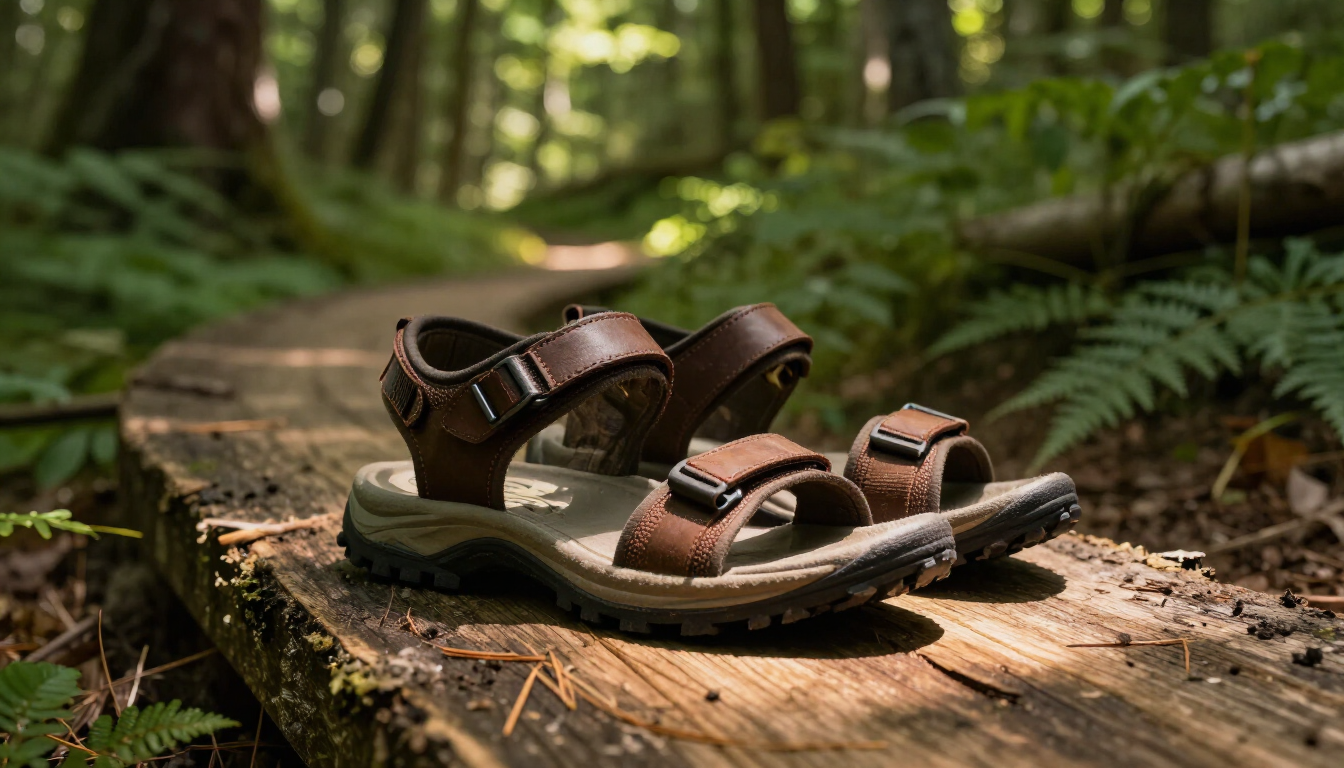
photorealistic close up of high quality supportive hiking sandals on a wooden trail natural sunlight forest background

When should you see a podiatrist for summer foot pain?

While many minor foot issues can be handled with rest and better shoe choices, certain symptoms require professional evaluation. You should schedule an appointment at our Yakima Office or Ellensburg Office if you experience:

  1. Persistent heel pain that is worst during your first steps in the morning.
  2. New or changing moles or spots on the skin of your feet.
  3. Numbness or tingling that suggests nerve compression.
  4. Swelling that only occurs in one foot or ankle.
  5. Any wound or sore that does not heal within a few days.

Our team, including Dr. Stuart Cardon , Dr. Joshua Johnson , Dr. Shawn Summers , and Dr. Dean Walters , is dedicated to getting you back on your feet quickly. For those with chronic conditions, we might even discuss Foot & Ankle Surgery options if conservative treatments haven't provided the necessary relief. Our goal is to ensure your summer is defined by your adventures, not your foot pain!

Summary of essential summer foot health takeaways

Taking care of your feet during the hot summer months doesn't have to be complicated, but it does require consistency. By focusing on the right footwear, maintaining high standards of hygiene, and protecting your skin from the sun, you can avoid the majority of common seasonal ailments. Remember that your feet are the foundation of your active lifestyle; treating them with care now prevents long-term complications later.

Quick Tips for Success:

  • Prioritize Support: Ditch the flat flip-flops for shoes with real arch support.
  • Keep it Dry: Change socks frequently if you sweat and use antifungal powders if necessary.
  • Sun Safety: Apply SPF to the tops and sides of your feet every two hours when outdoors.
  • Hydrate Often: Drink water to combat heat-related swelling and stay energized.
  • Listen to Your Feet: Don't ignore persistent pain; consult a podiatrist early.

If you're a New Patient , we invite you to reach out and schedule a comprehensive evaluation. Let's work together to keep your feet healthy, happy, and ready for every summer adventure Washington has to offer!

By VIV Builder April 9, 2026
Stay active and pain-free this Foot Health Awareness Month. Learn about heel pain, orthotics, diabetic foot care, and sports injury treatment options.
By VIV Builder April 1, 2026
Achilles tendonitis can develop gradually, causing heel pain and stiffness that worsens over time. Learn the warning signs and how a podiatrist can help you get back on your feet.
By VIV Builder March 5, 2026
Ingrown toenails are a common foot condition that can start as a minor irritation and quickly become painful. Learn more about how we can help with ingrown toenails.
By VIV Builder February 19, 2026
Ankle sprains are one of the most common foot and ankle injuries, yet they're often brushed off as no big deal. The truth is, even a mild sprain deserves proper care.
By VIV Builder February 5, 2026
Show Your Feet Some Love This February
By VIV Builder January 23, 2026
Understanding Podiatry Many people experience foot or ankle pain at some point, but they are not always sure where to turn for care. A podiatrist is a medical doctor who specializes in diagnosing and treating conditions of the foot and ankle. Their goal is to help patients move comfortably, stay active, and avoid pain that interferes with daily life. Podiatrists receive specialized medical training focused entirely on the feet and ankles. Because these areas support the entire body, even minor issues can have a big impact if left untreated. What Conditions Do Podiatrists Treat? Podiatrists treat a wide range of foot and ankle conditions for patients of all ages. From common concerns like heel pain and ingrown toenails to more complex issues such as sports injuries and diabetic foot conditions, podiatrists are trained to handle both routine and advanced care. They also address structural problems, skin and nail conditions, and injuries that affect mobility. By identifying the root cause of foot or ankle pain, podiatrists help patients find long-term relief rather than temporary fixes. When Should You See a Podiatrist? Foot pain is not something you have to live with. If you notice ongoing discomfort, changes in how you walk, or issues with your toenails or skin, it may be time to see a podiatrist. Early care can help prevent small problems from becoming more serious and can reduce recovery time. Patients with diabetes should also see a podiatrist regularly to help prevent complications and maintain foot health. What to Expect During Your Visit During a podiatry appointment, your provider will take time to understand your symptoms and lifestyle. They will examine your feet and ankles and may recommend imaging or other tests if needed. Based on their findings, they will create a personalized treatment plan tailored to your needs. Many podiatry treatments can be done in the office, allowing patients to return to normal activities quickly. Why Foot Health Matters Your feet play a major role in your overall health. Ongoing foot or ankle pain can lead to posture changes and strain on the knees, hips, and lower back. Proper foot care helps keep your entire body moving the way it should. Seeing a podiatrist is an important step in maintaining mobility and preventing future problems. Take the Next Step Toward Better Foot Health If foot or ankle pain is affecting your daily life, a podiatrist can help. With the right care and treatment, many conditions can be managed or resolved. Scheduling an appointment with a podiatrist is a simple step that can make a lasting difference in your comfort and mobility.
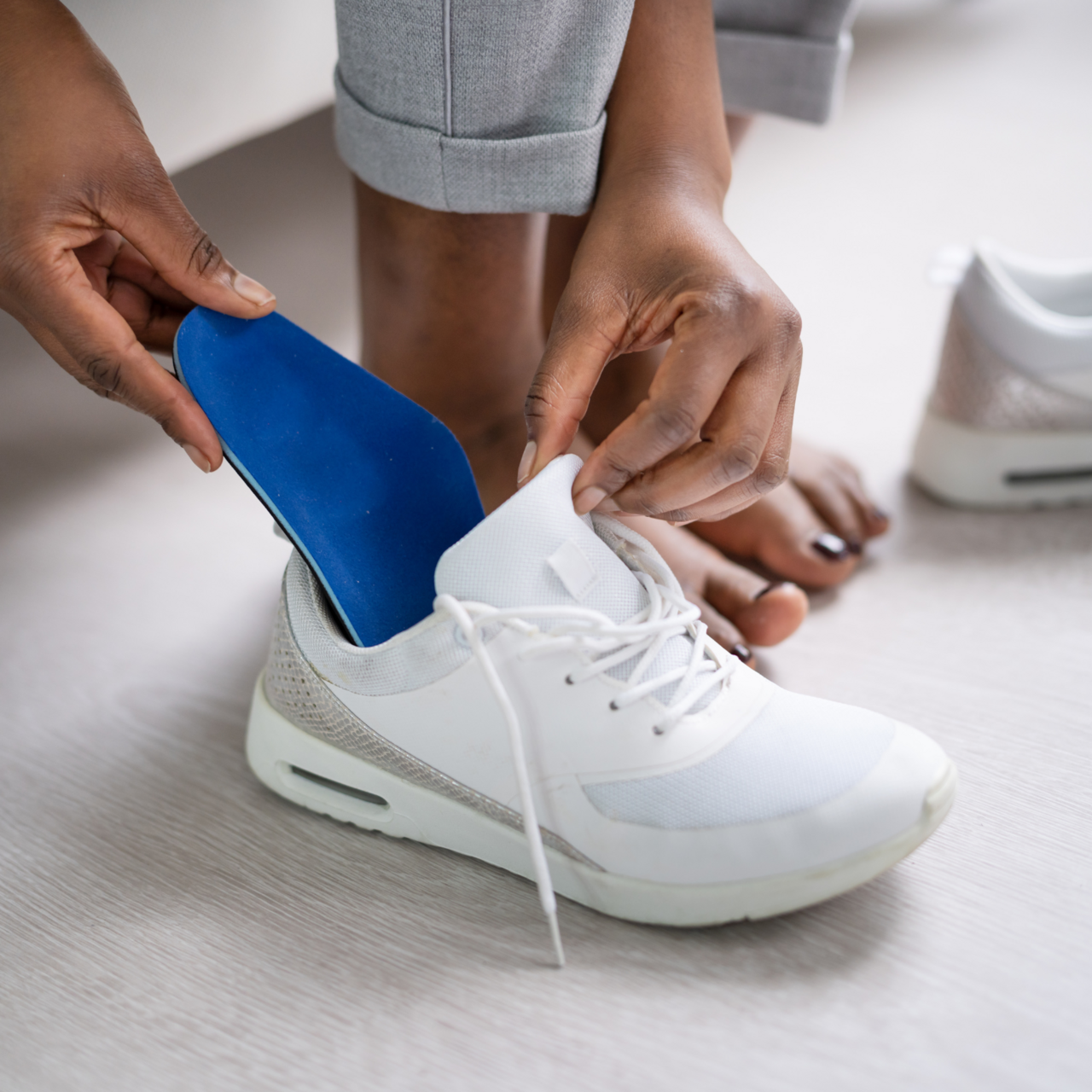
Person placing a blue insole into a white sneaker.
By VIV Builder July 17, 2025
Your feet are the foundation of your entire body — when they’re not properly supported, it can lead to pain not just in your feet, but in your ankles, knees, hips, and back, too. That’s where custom orthotics come in!  What Are Custom Orthotics? Custom orthotics are medical-grade shoe inserts that are specifically designed for your unique feet, gait, and needs. Unlike over-the-counter insoles, custom orthotics are crafted based on a detailed assessment by your podiatrist, ensuring the perfect fit and support for your lifestyle. Who Can Benefit from Custom Orthotics? Custom orthotics can help people with: ✅ Flat feet or high arches ✅ Plantar fasciitis or heel pain ✅ Bunions or hammertoes ✅ Arthritis ✅ Sports injuries ✅ Foot, ankle, knee, hip, or lower back pain caused by poor alignment How Do They Work? Custom orthotics work by redistributing pressure and correcting misalignments, which helps your feet function properly and comfortably. They can also help prevent future problems by providing the support you need with every step. Ready to Feel the Difference? If you’re experiencing foot or lower body pain, custom orthotics may be the solution you’ve been looking for. Schedule an appointment today and let our foot specialists help you step into lasting comfort and support!

Person walking on a path in a sunny park; wearing leggings and sneakers.
By VIV Builder April 10, 2025
Your feet are the foundation of your body, supporting you with every step you take. We understand that maintaining foot health is crucial to your overall well-being and mobility. In honor of April being National Foot Health Awareness Month, this blog explores why foot health should never be overlooked and provides tips for keeping your feet healthy. Why Foot Health Matters The human foot is a complex structure of 26 bones, 33 joints, and over 100 muscles, tendons, and ligaments. This intricate design allows for movements such as walking, running, and jumping. However, it also means that many things can go wrong if not cared for properly. Poor foot health can lead to a range of issues from simple aches and pains to more severe conditions like plantar fasciitis or diabetic neuropathy. Moreover, problems in your feet can affect other parts of your body, including your knees, hips, and back. Tips for Maintaining Healthy Feet Regular Check-ups: Just like regular dentist visits, regular check-ups with a podiatrist, especially during National Foot Health Awareness Month, can help catch foot problems before they become serious. Proper Footwear: Wear shoes that fit well and provide good support. Different activities require different types of shoes – what you wear for running is not suitable for a day at work. Foot Hygiene: Wash your feet daily, dry them thoroughly to prevent infections, and change socks daily. Stay Active: Regular exercise helps keep your feet and body healthy. Remember to stretch your feet and ankles before and after workouts. Manage Your Weight: Extra weight puts additional pressure on your feet, increasing the risk of foot disorders. Common Foot Conditions and Treatments Plantar Fasciitis: Often felt as heel pain, treated with exercises, proper footwear, and sometimes orthotics. Bunions: Misaligned big toe joints that can become swollen and tender. Treatment options include wearing comfortable shoes, pads, and in severe cases, surgery. Diabetic Foot Care: People with diabetes need to take extra care of their feet as poor blood circulation and nerve damage can lead to serious foot problems. We believe in a proactive approach to foot health. Whether you're an athlete, a busy professional, or enjoying retirement, taking good care of your feet is a step toward a healthier life. Celebrate National Foot Health Awareness Month with us and schedule an appointment today to learn how you can better care for your feet and enhance your overall wellness.
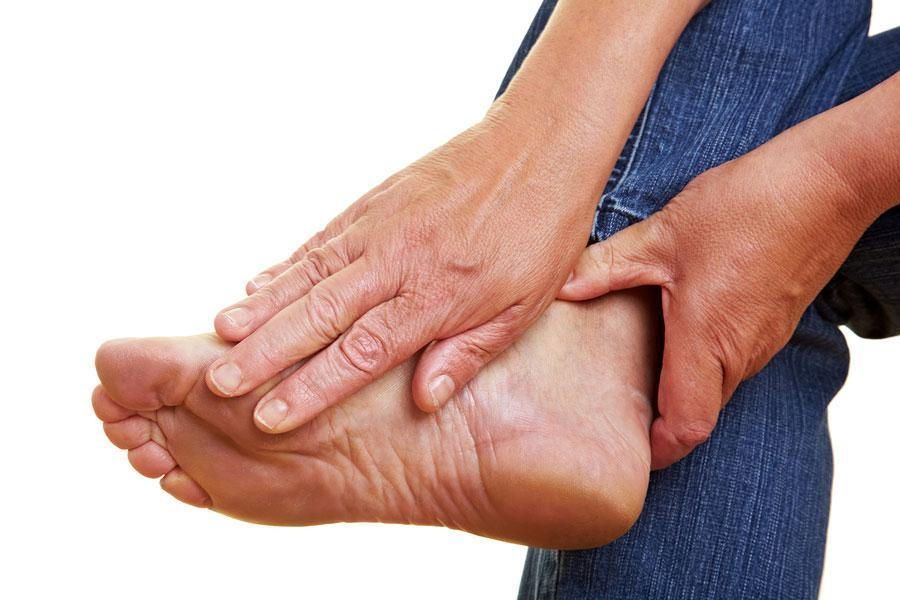
Person holding their foot, touching their ankle and foot, wearing jeans.
By VIV Builder April 25, 2018
A Hammertoe is a deformity of the toe that causes the middle joint to bend, resembling the shape of a hammer. If you have hammertoes, you should seek medical attention. The sooner you seek treatment, the likelier it is that the problem won't get worse. Dr. Raymond DiPretoro Jr. and Dr. Aahba M. Suchak at Advanced Foot and Ankle Center in Newark and Wilmington, DE, are your podiatrists for the treatment of hammertoes.  About Hammertoes Hammertoes are painful deformities of the toes, and often affect the middle three toes. Initially, hammertoes may be flexible, but over time, they may become rigid and require surgery to straighten the toes. Because hammertoes are progressive, they should receive early medical attention, as they won't get better without some kind of intervention. Causes of Hammertoes Some causes of hammertoe are poorly fitting shoes, high heels, foot injuries, and medical conditions that affect the nerves and muscles, such as diabetes and arthritis. Women are more likely to develop hammertoes than men. The risk of developing a hammertoe increases with age. Genetics can also play a role in hammertoes, Hammertoes may run in families. Hammertoes can be a serious problem for diabetics and people with poor circulation. Symptoms of Hammertoes Deformity is usually the first symptom of hammertoe. Patients with hammertoes may have calluses or corns on the top of the middle joint of the toes or on the tips of the toes. They may feel pain in their toes and have difficulty finding footwear that is comfortable. At first, they may be able to move and straighten the deformed toes. Over time, they will no longer be able to move the deformed toes. Hammertoe Treatments in Newark and Wilmington Padding and taping is the first step in a treatment plan. Padding and taping the hammertoe prominence relieves the stress and pain and allows the patient to continue a normal, active life. Cortisone injections and anti-inflammatory medications can be prescribed to relieve pain and inflammation caused by the deformity. Custom-fitted shoe inserts called orthotics made by your foot doctor may ease your discomfort and prevent the worsening of the deformity. When the hammertoe is not resolved with the above methods, surgery may be necessary. Don't let a hammertoe knock you off your feet. If you have hammertoes, call Advanced Foot and Ankle Center at 555-555-555 today to schedule a consultation in Newark and Wilmington, DE. Our hammertoe treatments will ease your pain and help you get back to a normal, happy, and healthy life.
Runner, crouched on pavement, touching his ankle; wearing red athletic gear and running shoes.
By VIV Builder January 23, 2018
Find out if the symptoms you’re experiencing could be trying to tell you that you have a stress fracture. A stress fracture occurs when a tiny crack in the bone of your foot or ankle develops. More often than not stress fractures come about over time due to overuse, which is why a lot of athletes experience this problem at some point during their lifetime. Are you wondering if your discomfort could actually be a stress fracture? Our Newark, DE, podiatrists, Dr. Raymond DiPretoro, Jr. and Dr. Aahba M. Suchak, are here to help you figure out if it’s time to schedule an evaluation with us. How do stress fractures happen? As we mentioned above, this is a problem that commonly plagues athletes and runners because stress fractures often arise from overuse or from performing repetitive movements. Of course, if you suddenly change the intensity or duration of a workout you may also find yourself dealing with this problem. It’s important that you are warming-up and conditioning your body properly before exercising or adopting a new workout routine. Those with other health problems such as osteoporosis or arthritis may also be prone to stress fractures in the feet and ankles. What are the symptoms of a stress fracture? Pain is the number one indicator of a stress fracture. Of course, a lot of injuries and other problems can lead to foot and ankle pain so you’ll want to visit our Newark foot doctors for a proper and comprehensive foot evaluation to determine the true source of your pain. If you have a stress fracture, pain may get worse when walking or putting weight on the foot but the pain may subside when resting. The pain may be exacerbated throughout the day depending on your activity level. There may also be some swelling present on the top portion of the foot or around the ankle (depending on the location of the stress fracture). The area may also be tender to the touch or there might be some minor bruising. If you suspect that you have a stress fracture it’s important that you schedule an appointment with us right away so that we can diagnose and treat your condition as soon as possible to prevent complications.  Don’t ignore changes in the health of your feet. Our team of foot care specialists at Advanced Foot & Ankle Center in Glasgow, Wilmington, and Newark, DE, are here to make sure you get the care you need to speed up recovery and get back to your daily activities. Call our office at 555-555-555 to learn more.
Show More
